Home / Scarves and colourways
Scarves and colourways
A lambswool scarf, and the four colours everything comes in
Our scarf is the lightest thing we weave and the best way to meet the colourways up close. This page covers the scarf, then each of bracken, rowan, heather and peat: what it is named for, how its yarns are blended, and the colour card that lets you see them all.
Buy from the loom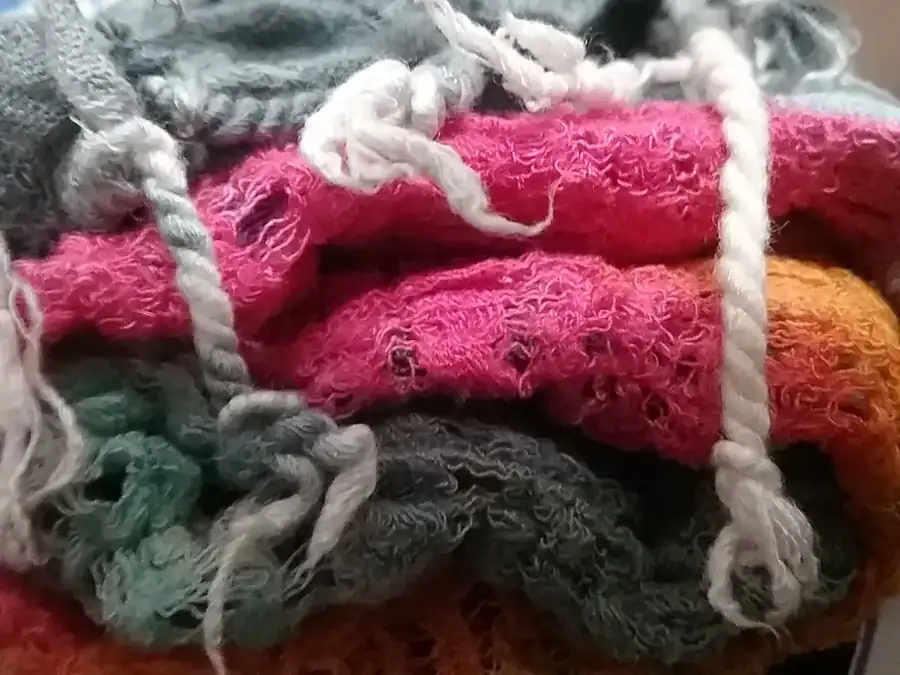
Prices
| Piece | Price |
|---|---|
| Lambswool scarf, 30 × 180 cm | £48 |
| Yarn colour card | £3 |
The lambswool scarf
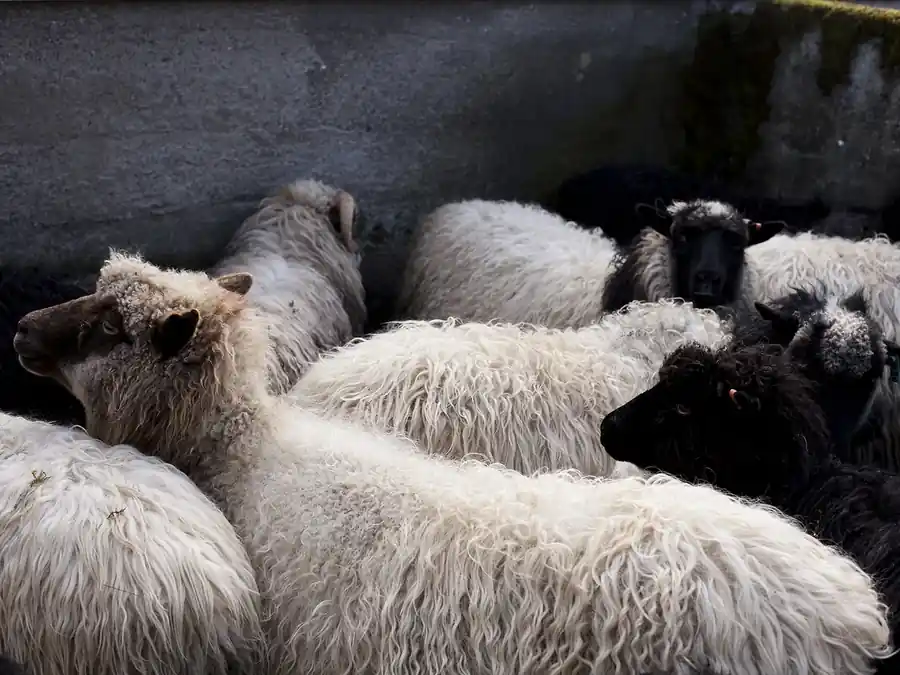
The scarf is 30 centimetres wide and 180 long before its fringe, and weighs about 180 grams. It is woven in lambswool, which is wool from a sheep's first shearing: shorter, finer and softer than the fleece of later years. We use a fine two-fold lambswool spun in Scotland, so the scarf sits against your neck without the prickle of coarser wool.
It is woven in a two-and-two twill, a little more open than our throws, and then only washed, not milled hard or brushed. That keeps the cloth light and springy, with a gentle lustre, and lets it gather into soft folds when you knot it.
Both ends carry twisted fringe, about ten centimetres long, twisted in pairs at the finishing bench and knotted so it cannot unravel. Scarves are posted folded in tissue in a flat card mailer rather than a cotton bag.
- Lambswool scarf, 30 × 180 cm, £48. About 180 g. Two-fold Scottish-spun lambswool. Washed finish. Twisted fringe at both ends.
- Yarn colour card, £3. All four colourways, wrapped yarns and a woven snip of each, posted by letter.
- Hand wash cool with a wool wash, press rather than rub, dry flat.
The four colourways
Every piece we make is woven in one of four colourways. Each is blended from more than one yarn, because a single flat dye looks lifeless in wool. Below, what each colour is named for and how its yarns go together on the loom.
Bracken
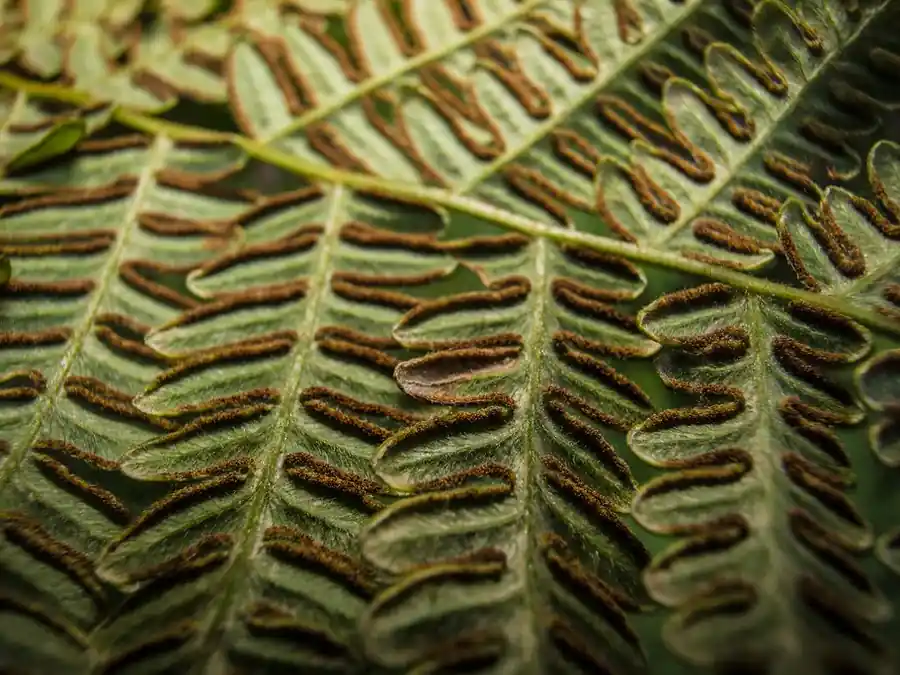
Bracken is the fern that covers the Border hills, green all summer and then, in October, turning copper and rust almost overnight. The colourway follows that turn. The warp is a copper-brown, and the weft is a twist of rust and old gold with a single olive thread every few picks, the last green left in the fronds. Close up it looks speckled; from across a room it reads as a warm, burnished brown.
Rowan
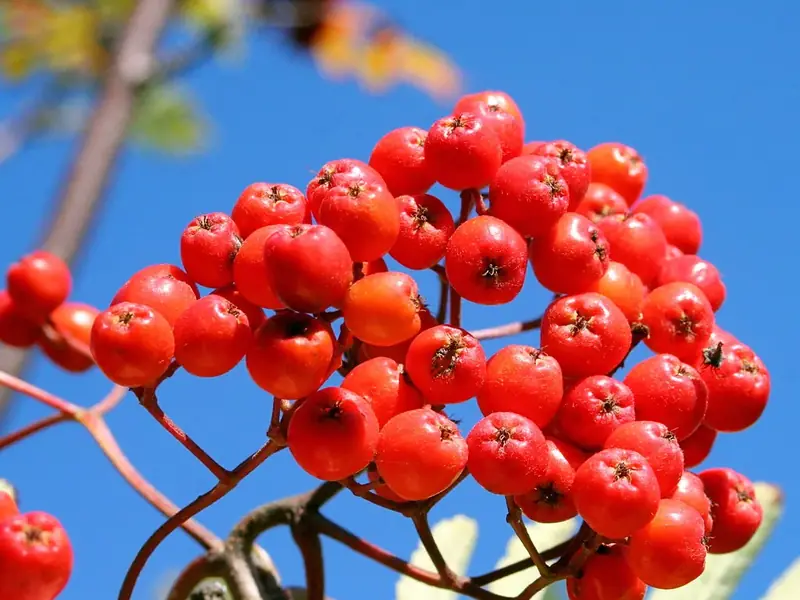
Rowan trees grow along the burns and by old cottage doors in the Borders, and in September they are hung with clusters of scarlet berries. Our rowan is the brightest of the four, but not a pillar-box red: the berry-red weft is woven across a deep brown warp, which calms it and gives it the depth of fruit seen against bark. It is the colourway most chosen for scarves.
Heather
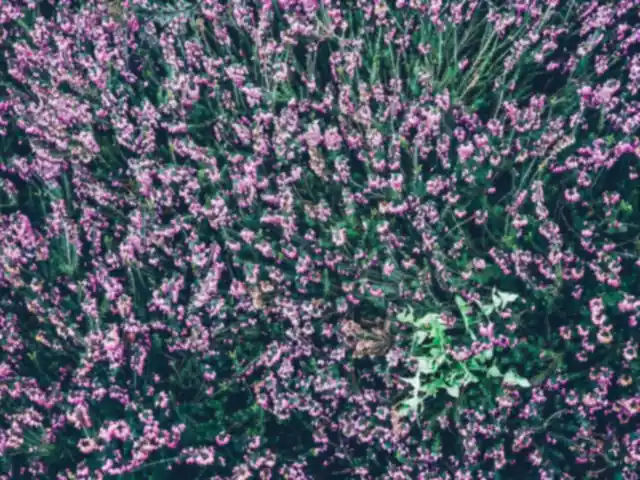
Late summer on the moor brings the heather into flower, a purple haze that is never quite one colour. We blend it from three yarns: a mauve, a paler pink-violet and a grey-green, twisted together so that no two centimetres look identical. It changes more than any other colourway between daylight and lamplight, which is the best reason to order a colour card first.
Peat
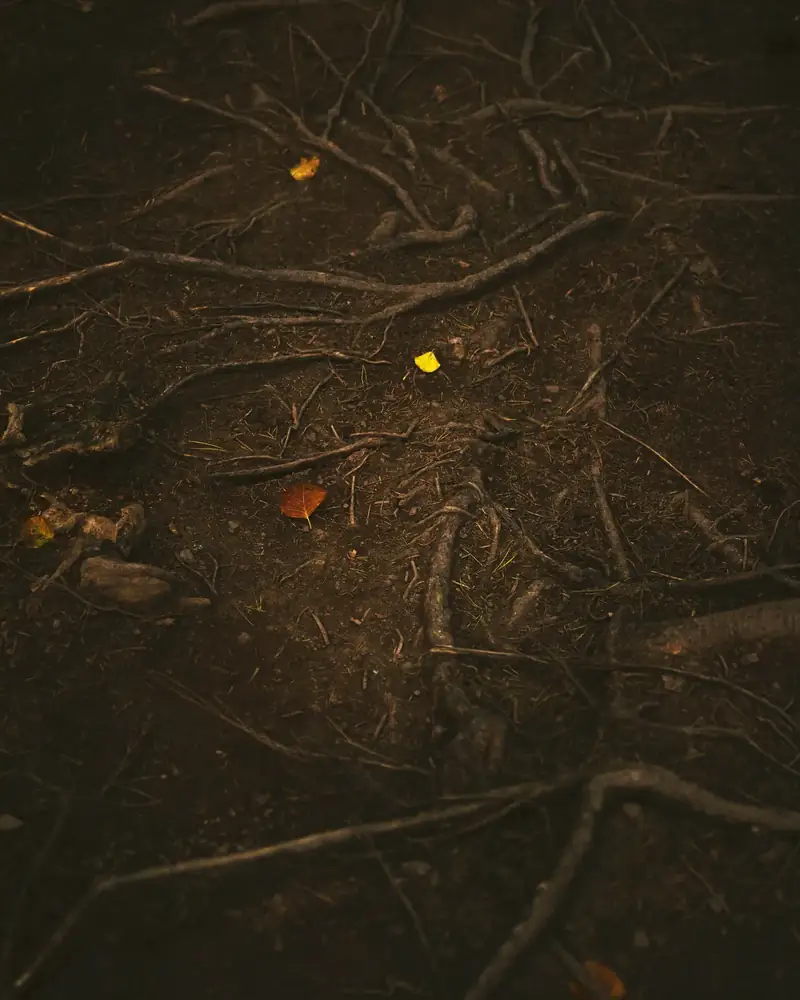
Peat is the dark, packed earth of the high moss, almost black when it is cut and wet, drying to a smoky brown. Our peat colourway is the quietest: a near-black brown warp with a weft carrying a faint grey-brown fleck, so the herringbone or twill is felt more than seen. It wears beautifully and shows the least wear of the four.
How the yarns are blended
Colour in woven cloth is made twice: once in the yarn, and again where warp and weft cross. We buy yarn already dyed and spun in Scotland, then set each colourway on the loom with a warp in one shade and a weft in another, or in two or three shades twisted together. Where the warp shows on the face of a twill and where the weft does, the eye mixes the two into a colour neither yarn has alone.
That is why the colour card is more useful than any photograph. It shows the separate yarns, and a small woven snip of each colourway, so you see both the parts and the result.
The colour card
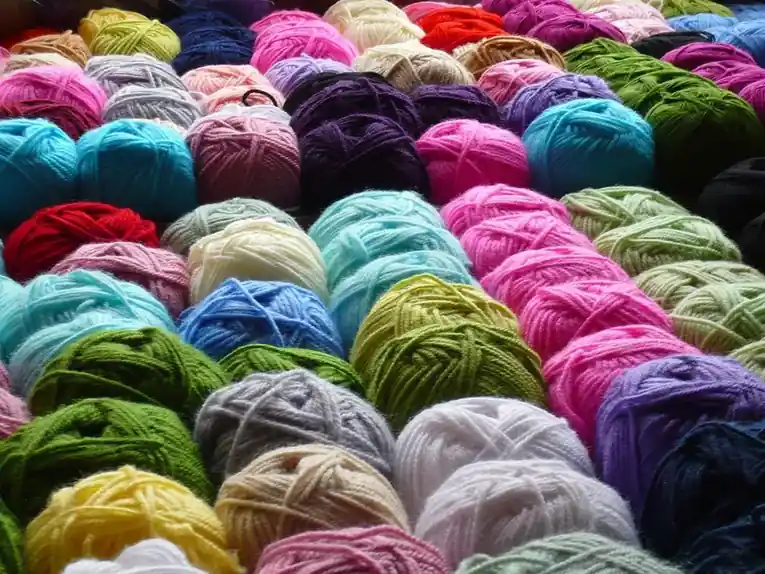
The card is a stiff folded card with the warp and weft yarns of all four colourways wrapped around it, each labelled with its colourway name, and a small woven snip of each pinned alongside. It costs £3 and goes out by letter post. Order it on its own on the order sheet, or add it to any other order.
The four colourways are fixed. We do not weave clan patterns or other registered setts, and we do not dye or blend new colours to order.
Buy from the loom